
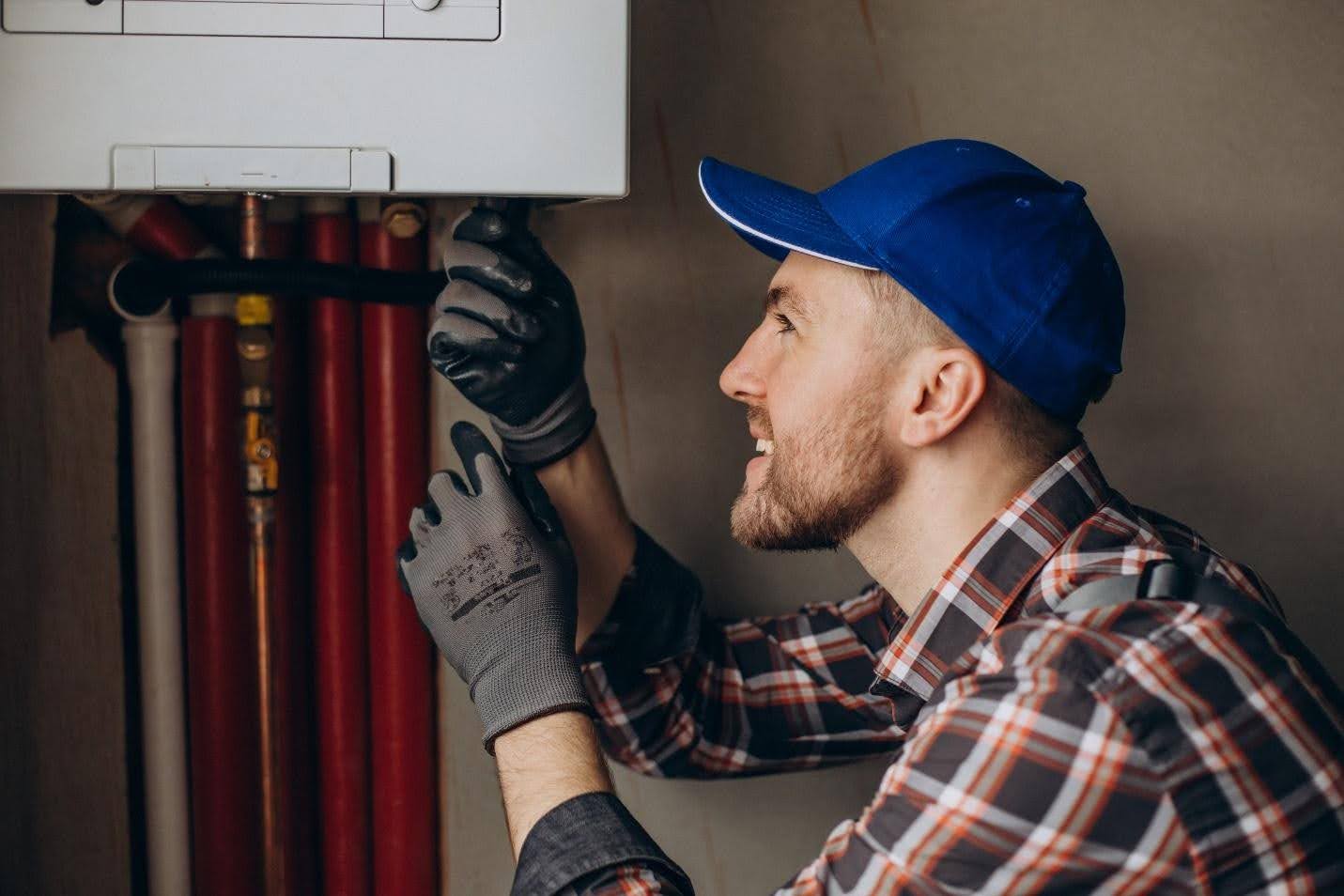
A tankless heater, also known as an on-demand or instantaneous water heater, is a compact, wall-mounted appliance that heats water on demand without storing it in a tank. It starts working when you turn on a hot water tap. Cold water enters the unit and is rapidly heated by a high-powered gas burner or an electric heating element.
Unlike traditional water heaters that keep a large reservoir of water hot 24/7, leading to constant energy loss, a tankless system consumes energy only when you open a hot water faucet. Have you been wondering about the benefits of installing a tankless heater in your home? You are just in the right place. This informative guide to tankless heaters will outline the top five benefits of installing one.
1. Continuous, Endless Hot Water
One of the top benefits of installing a tankless water heater is that it provides an endless supply of hot water whenever you need it. Because it doesn’t require water storage, you get hot water immediately when you open the hot water tap.
Traditional tanks hold a finite amount of water, usually 40 to 50 gallons. Once that water is used, your household has to wait an hour or more for the tank to reheat. With a tankless water heater installation, you can heat water instantly as it flows through the heating element. Whether you are the first or the fourth person in line for the morning shower, the water will stay consistently hot.
2. Significant Energy and Utility Savings
Another critical benefit of a tankless heater installation is that they significantly reduce energy use, saving you money on utility bills. However, traditional water heaters often suffer from standby losses and can consume energy to keep dozens of gallons of water hot 24/7, even when you are sleeping or away at work.
Tankless heaters operate only when a hot water faucet is turned on. According to an online statistic, tankless systems can be 24% to 34% more energy-efficient than conventional tanks in homes that use a moderate amount of hot water. This drastic reduction in energy waste translates directly into lower monthly utility bills.
3. Incredible Space-Saving Design
Traditional water heaters are massive, bulky cylinders that require a large footprint in a utility room, closet, or basement. By contrast, a tankless water heater is a modern, compact, and efficient heating system. It is roughly the size of a small suitcase and mounts directly to the wall. This frees up valuable floor space, allowing you to maximize your storage or optimize your basement layout.
4. Double the Lifespan of Traditional Tanks
A water heater is a major investment, so you want it to last as long as possible. A standard tank heater typically lasts 10 to 15 years before rust and mineral buildup require replacement.
Tankless water heaters are highly durable and have an average lifespan of 20 years or more. Because they do not constantly hold water, they are far less prone to corrosion and catastrophic leaks that plague traditional tanks.
5. Cleaner, Fresher Water
Over time, traditional water tanks accumulate rust, scale, and mineral deposits inside. This buildup in your hot water can significantly affect your health and hygiene. However, tankless units do not store water, so you avoid stagnant buildup. Additionally, the water in your home is heated on demand, providing a cleaner supply for bathing, cooking, and washing dishes.