
Creating a home that feels comfortable while also running efficiently is a goal many homeowners strive for. A well-maintained and thoughtfully upgraded home not only enhances daily living but also helps reduce energy costs and long-term maintenance issues. From improving temperature control to upgrading key features, there are several practical solutions that can make a noticeable difference. By focusing on essential services and smart improvements, you can transform your home into a space that is both inviting and cost-effective.
AC Repair: A Key Step Toward Year-Round Comfort
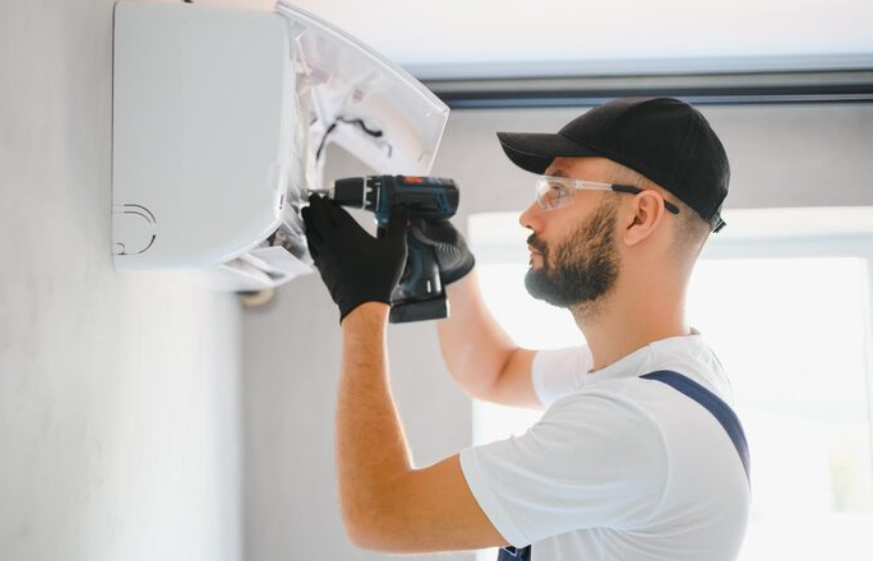
Ensuring timely AC repair is one of the most important steps in maintaining a comfortable indoor environment, especially during hot seasons when cooling systems are under constant strain. A properly functioning air conditioning unit regulates indoor temperatures efficiently, improves air quality, and prevents sudden breakdowns that can be costly. Regular maintenance and prompt repairs help extend the lifespan of your system while keeping energy consumption in check. Neglecting minor issues can lead to larger problems, so addressing repairs early ensures consistent comfort throughout the year.
Install Boston Shutters: Enhancing Style and Efficiency
Choosing to install Boston shutters is an excellent way to combine aesthetic appeal with practical benefits in your home. These shutters not only elevate the look of your windows but also provide better insulation by controlling the amount of sunlight and heat entering your living space. This added layer of protection helps maintain indoor temperatures, reducing the workload on heating and cooling systems. As a result, homeowners can enjoy increased privacy, improved energy efficiency, and a more polished interior design.
Insulation Upgrades for Better Temperature Control
One of the most effective ways to improve both comfort and efficiency is by upgrading your home’s insulation. Proper insulation keeps warm air inside during winter and prevents heat from entering during summer. Many older homes lack adequate insulation, which leads to energy loss and higher utility bills. By investing in modern insulation materials, you can create a stable indoor environment and significantly reduce energy consumption. This upgrade is especially beneficial in areas with extreme weather conditions.
Smart Thermostats for Energy Savings
Integrating smart technology into your home can make a noticeable difference in efficiency. Smart thermostats allow homeowners to control temperature settings remotely and create customized schedules based on daily routines. This means you can avoid unnecessary energy usage when no one is home while ensuring comfort upon your return. Over time, this level of control leads to lower energy bills and a more environmentally friendly household.
Energy-Efficient Lighting Solutions
Lighting plays a significant role in both comfort and efficiency. Switching to energy-efficient LED bulbs is a simple yet impactful upgrade that reduces electricity usage while providing better illumination. Additionally, incorporating natural lighting through well-placed windows or skylights can enhance the overall ambiance of your home. Combining artificial and natural lighting solutions ensures a brighter, more comfortable living space without excessive energy costs.
Plumbing Maintenance and Water Efficiency
A well-maintained plumbing system contributes to both comfort and efficiency. Leaky faucets, inefficient fixtures, and outdated systems can waste a significant amount of water and increase utility bills. Upgrading to water-saving fixtures and addressing plumbing issues promptly ensures a steady water supply and reduces unnecessary waste. Efficient plumbing not only lowers expenses but also supports sustainable living practices.
Window and Door Sealing Improvements
Drafty windows and doors can significantly impact indoor comfort by allowing air to escape and outside air to enter. Sealing gaps and upgrading to energy-efficient windows and doors can make a noticeable difference in maintaining a consistent indoor temperature. This improvement reduces reliance on heating and cooling systems, resulting in lower energy usage and enhanced comfort throughout the home.
Conclusion
Improving your home’s comfort and efficiency doesn’t require a complete overhaul. By focusing on key areas such as AC maintenance, window treatments, insulation, and smart technology, you can create a space that is both functional and inviting. Small, strategic upgrades often lead to significant long-term benefits, including reduced energy costs and improved quality of life. With the right approach, your home can become a place where comfort and efficiency work hand in hand.