
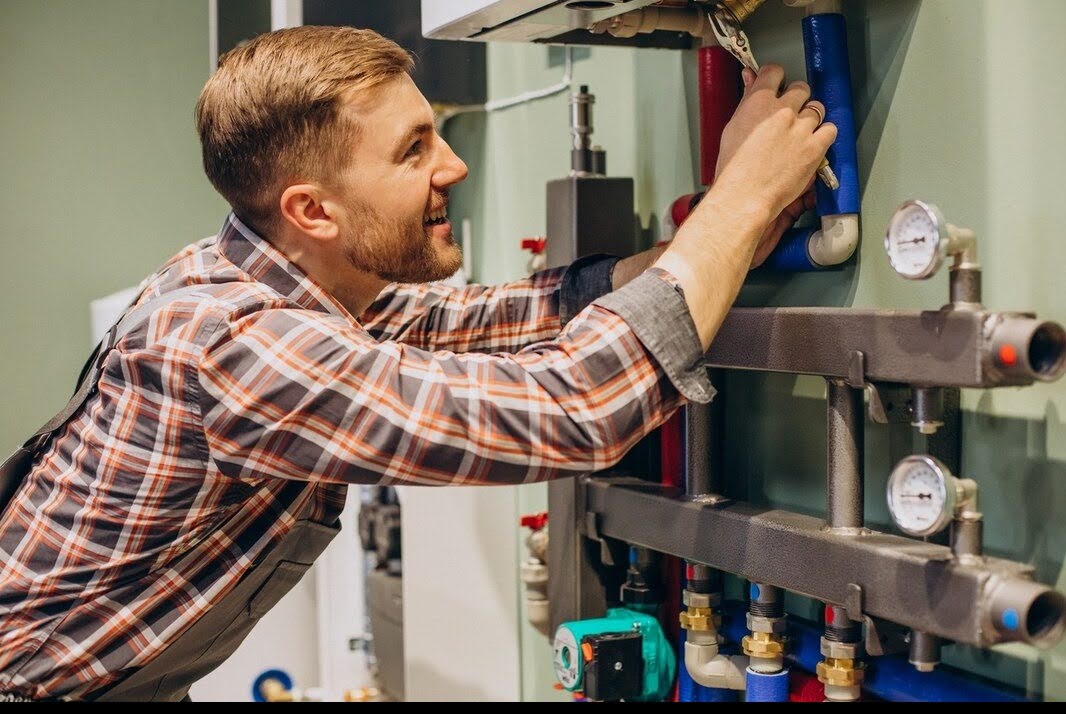
Choosing the right heating and plumbing company can make a major difference to your home’s comfort, safety, and long-term maintenance costs. A reliable service provider does more than install a boiler or repair a leaking pipe.
The right team assesses your property, explains your options, follows safety standards, and completes the work with care. Poor workmanship can lead to weak heating performance, repeated breakdowns, water damage, rising energy bills, and costly repairs.
Here are some tips that can help you find a dependable company for your heating and plumbing needs. Read on.
1. Check Qualifications, Registration, and Gas Safety Credentials
The first step when choosing a gas central heating installation contractor is to confirm that the company has the right qualifications and legal registration. Gas-related work carries serious safety risks. Incorrect installation can cause gas leaks, carbon monoxide exposure, fire hazards, or poor boiler performance.
A qualified professional understands these risks and knows how to reduce them. Ask the company whether its engineers hold the required gas safety credentials for the work they plan to complete. You should ask for the engineer’s registration details and check them through the relevant official register.
2. Look for Experience With Your Heating System and Property Type
Experience matters because every home has different heating requirements. A small flat, a large family house, and an older property may need different solutions. The plumbing services should understand the structure of your home, the existing pipework, and the condition of the heating system.
When discussing gas central heating installation, ask the company how many similar projects it has completed. A contractor who regularly works with your preferred boiler type or heating system will usually understand the common challenges involved.
This experience can support better planning, cleaner installation, and fewer problems after the work finishes.
3. Request a Detailed Written Quote
Price is an important factor, but the cheapest quote does not always offer the best value. A low price may exclude essential work, use lower-quality materials, or leave you facing unexpected charges later. To make a fair comparison, request a detailed written quotation from each company you are considering.
The quote should explain the work in clear language. For a heating project, it may include the boiler, controls, radiators, pipework, flue components, labour, removal of the old system, testing, and waste disposal.
For plumbing work, it should explain the repair or replacement required, the materials involved, access arrangements, and any possible additional charges.
4. Read Independent Reviews
Customer reviews can help you understand how a company treats people before, during, and after a project. Look for feedback on independent platforms rather than relying only on testimonials displayed on the company’s own website.
Pay attention to repeated patterns in the reviews. One negative comment does not always mean that a company performs poorly. However, several complaints about missed appointments, hidden costs, poor communication, unfinished work, or repeated faults should make you cautious.
5. Confirm Safety Checks and Aftercare
Before hiring a heating and plumbing company, ask how it tests the completed work. A professional installation should not end when the equipment is switched on or the final pipe is connected. The engineer should inspect the system, test its performance, and confirm that it operates safely.
A maintenance agreement may also provide reminders, priority appointments, or discounted repair work, although you should compare the cost with the actual benefits.