
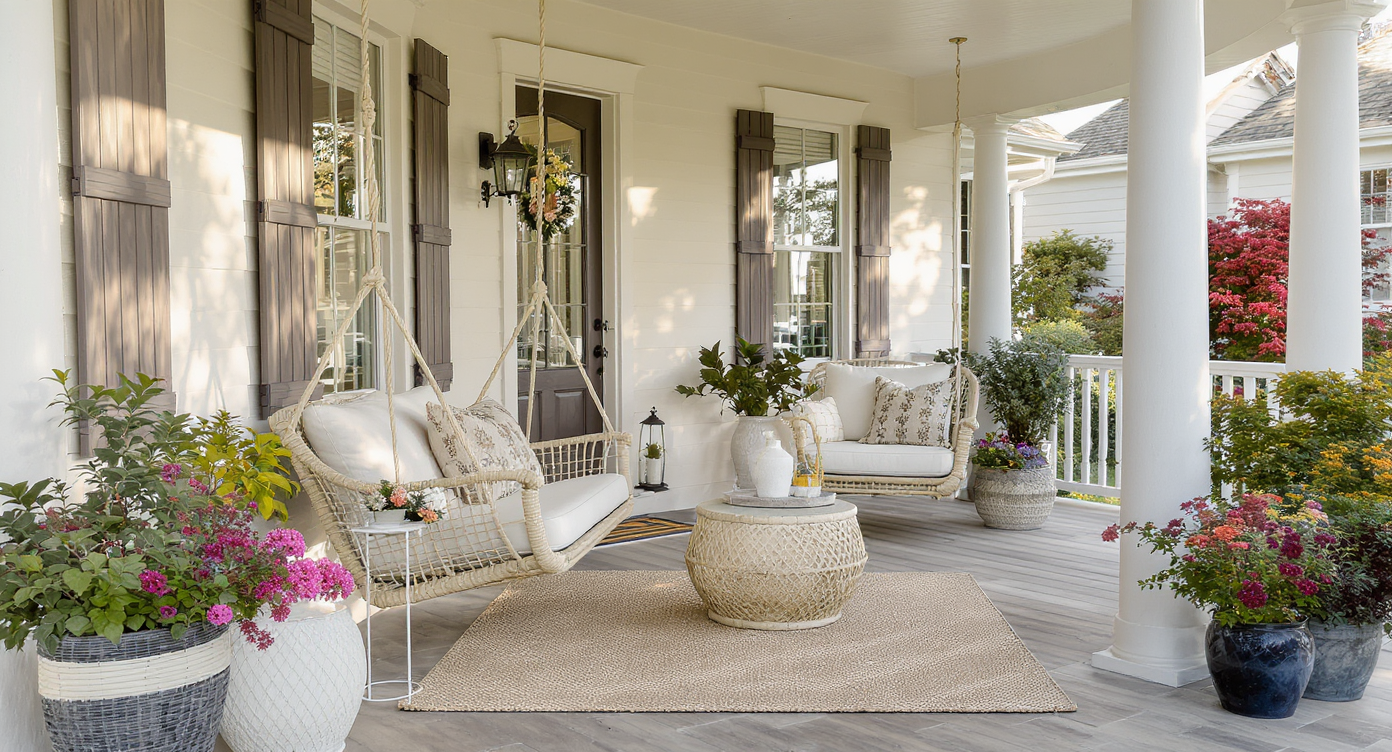
The concept of curb appeal is often associated with landscaping and exterior architecture, but the principles of interior design play a surprisingly vital role in how a property is perceived from the street. A home is a unified entity where the interior and exterior should exist in harmony.
When these two elements are synchronized, the result is a striking first impression that captivates visitors and passersby alike. Here are six ways that thoughtful design choices can significantly boost your home’s outward attractiveness.
Creating a Seamless Visual Transition
A primary goal of professional design is to create a sense of continuity. When someone looks at your home from the outside, they often catch glimpses of the entryway or the front-facing rooms. By ensuring that the interior design style matches the exterior architecture, you create a cohesive narrative.
For instance, a modern industrial interior visible through large glass windows complements a contemporary facade, making the entire property feel intentional and well-maintained.
The Role of Window Treatments
Windows are the eyes of a home, and how they are dressed inside significantly impacts the exterior look. Mismatched curtains, haphazard blinds, or cluttered windowsills can make even the most beautiful house look disorganized from the sidewalk.
Using uniform window treatments or neutral linings ensures a clean, rhythmic appearance across the facade. Strategic interior design choices regarding shutters or drapes provide a structured and sophisticated look that enhances the overall symmetry of the building.
Strategic Lighting and Interior Glow
Evening curb appeal depends heavily on how light interacts with the space. Interior lighting placement is a critical factor; warm, layered lighting inside a room creates an inviting glow that can be seen from the street.
Highlighting architectural features or artwork near windows through clever interior design creates depth and visual interest. This prevents the house from looking like a dark silhouette at night and instead makes it look like a vibrant, lived-in sanctuary.
Optimizing the Entryway Experience
The foyer is the bridge between the world and your private life. If the entryway is visible through a glass door or sidelights, its arrangement becomes part of the curb appeal. A well-placed console table, an elegant mirror, or a statement light fixture serves as an invitation to the rest of the house.
When the interior design of the entrance is polished and clutter-free, it suggests to the observer that the entire home is managed with the same level of care and sophistication.
Color Palette Coordination
Color theory is a powerful tool for enhancing a home’s presence. The colors used in front-facing rooms should ideally complement the exterior paint and trim. If your home has a cool-toned exterior, having warm, clashing colors visible through the windows can create a jarring visual disconnect.
A professional approach ensures that the color story remains consistent, allowing the interior and exterior to work together to increase the property’s aesthetic value.
Refining Indoor Greenery and Decor
Finally, the placement of indoor plants and decorative objects near windows can mimic the effect of exterior landscaping. Placing high-quality greenery in front-facing windows adds a touch of life and softens the transition between the garden and the indoors.
This layer of detail shows that every aspect of the home has been considered. Successful interior design integrates these small elements to create a grander, more attractive exterior profile that leaves a lasting positive impression.