
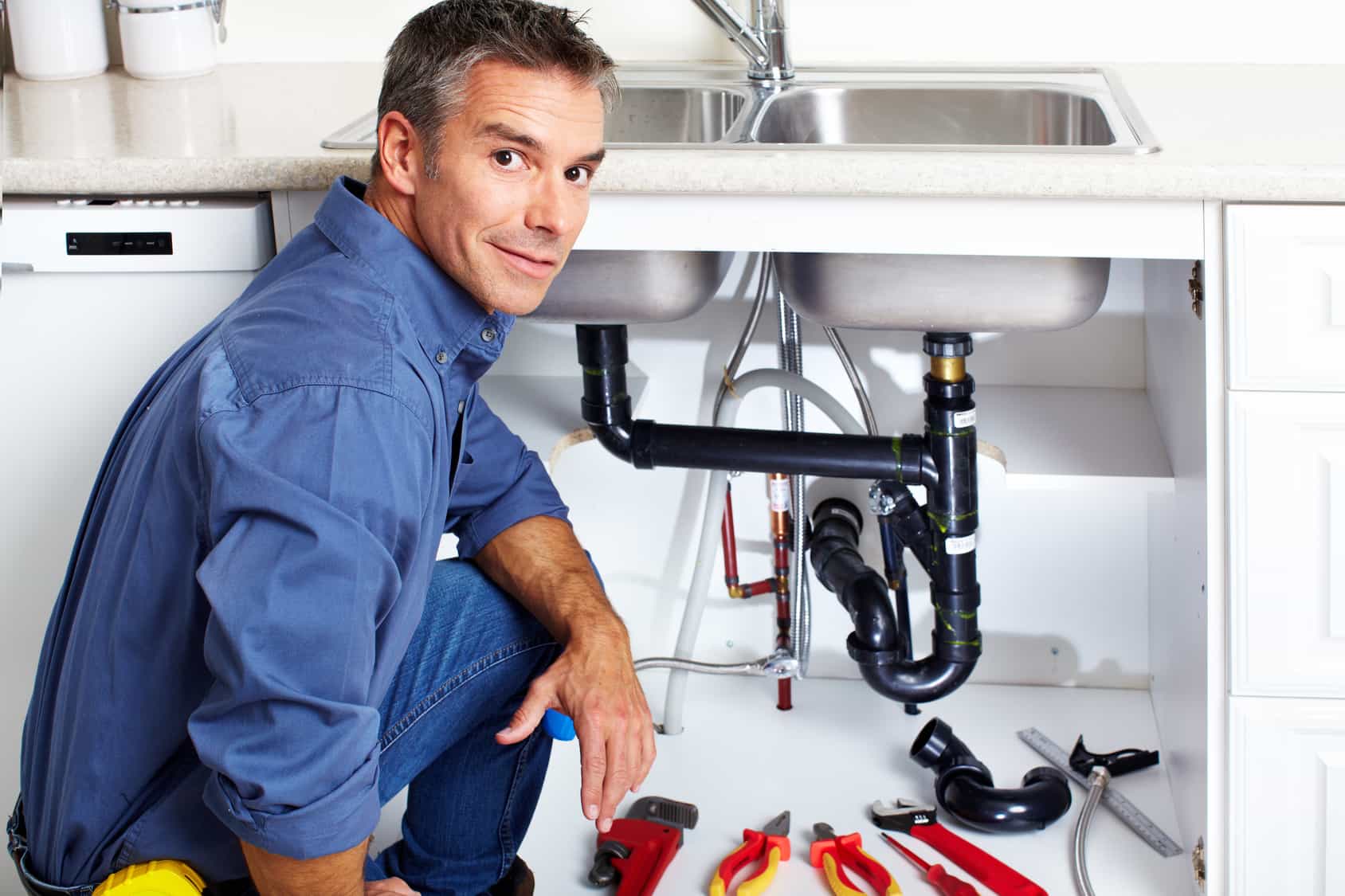
Enhancing the efficiency of plumbing systems is one of the best ways to make your house more comfortable, use less water, and prevent needless damage to pipes and fixtures. A healthy plumbing system ensures smooth water flow, stops leaks, and contributes to the longevity of the fixtures and appliances you use on a regular basis. Many households are ignorant of the amount of water and energy lost by Quincy’s plumbing system as a result of outdated fixtures, careless leaks, and ineffective water heating techniques. If you understand how your plumbing system works and employ easy ways to make improvements that will save your utility costs, extend the life of your plumbing equipment, and keep an efficient, healthier home system. An emphasis on efficiency can also help in reducing environmental impact since it cuts down on water usage while also ensuring convenience and comfort.
Renovating Fixtures and Improving Water Flow
A highly powerful method to improve the efficiency of plumbing is to replace outdated fixtures that consume more water than is necessary. Showerheads, faucets, and toilets typically use a lot more water than modern, more efficient models. Switching to low-flow fixtures can help to reduce water consumption while providing a strong performance.
Also, ensuring that there are no leaks in the plumbing around toilets, sinks, and tubs will ensure that water isn’t lost because of broken seals or loose connections. Even minor leaks can cost hundreds of gallons over the course of time. Many homeowners rely on pros for things like replacing fixtures or fixing stubborn leaks to ensure that the job is completed correctly. Enhancing water flow by clearing out showerheads, cleaning aerators, and making sure that pipe pressure is maintained can also improve efficiency. An uninterrupted, smooth flow helps reduce strain on fixtures and appliances, which allows them to function better while using less water.
Insuring and maintaining your pipes
Proper maintenance of pipes plays an important role in improving the efficiency of plumbing. As time passes, corrosion, mineral deposits, and temperature fluctuations can alter how water flows through pipes. Regular inspections will help to identify the early signs of deterioration, making sure there are no leaks or blockages that could interfere with the flow of water and result in damage. Regularly flushing pipes removes the accumulation of sediment and enhances efficiency. Another way to increase effectiveness is by insulating pipes that are exposed, especially in attics, basements, or outside walls. Pipe insulation can help maintain the temperature of water in cold temperatures, which eases pressure on your heater and stops the loss of heat. It not only conserves energy, but also cuts down on the time spent waiting to wait for the hot water you want to get to showers or faucets. Stopping pipes from freezing is another benefit of insulation. It helps safeguard the plumbing from harm in colder seasons. A properly insulated system ensures that water moves more efficiently and decreases the pressure on the system.
Improving the efficiency of water heaters
Since water heating is the majority of energy consumption in households, increasing the efficiency of your water heater is vital to boost the overall performance of your plumbing. Cleaning the water heater every once per year will remove any sediment that could reduce the effectiveness of heating and force the heater to perform more than it should. The thermostat should be adjusted to a moderate setting, which lowers energy use while ensuring an ideal temperature for hot water. In tank-style systems, adding insulation around the tank will reduce heat loss and enhance efficiency. The homeowners might also think about installing an in-line tank water heater to provide more efficient heating on demand. No matter what type, regular maintenance will ensure regular operation and decrease the possibility of sudden breakdowns. Making sure you have a water heater that is designed for your household increases efficiency and prevents the system from working too hard or not being able to meet the requirements. A properly maintained water heater contributes substantially to the overall efficiency of plumbing and will save you money over the long term.
Monitoring Water Pressure and Preventing Pressure on Pipes
The pressure of water plays an important role in determining the performance of your plumbing system. Excess pressure could cause pipe damage, leaks, and premature wear of fixtures, while low pressure typically is a sign of pipe blockages or restrictions. Installing a pressure regulator can help to maintain the proper pressure throughout the house. This eases the burden on the plumbing system and increases the life of appliances and fixtures. Monitoring pressure regularly helps detect issues early.
In addition, keeping clean, clear drains can help water flow more smoothly, which reduces the chance of clogging that could slow drains and lead to backups. Using drain screens, eliminating the disposal of grease from the sinks, and flushing drains using hot water can help to maintain their efficiency. By preventing clogs, pressure builds up within pipes and reduces the requirement for costly repairs. Achieving a balanced pressure in the water ensures all systems function efficiently and smoothly.
Create a Routine for Regular Maintenance
A regular maintenance schedule is vital to maintain and increase the efficiency of plumbing. Inspecting fixtures, pipes, and appliances allows you to spot minor problems before they grow into more serious issues. Simple practices, like inspecting the sinks’ undersides for moisture or examining the toilet’s base for leaks, will help to prevent water damage and help reduce the amount of water. Professional inspections every year or semi-annually give a deeper understanding of the condition of the system, making sure problems are addressed quickly. Cleaning out the gutters, keeping sump pumps, and monitoring water bills for unusually high fluctuations also aid in maintaining a functional plumbing system. If homeowners are vigilant in their routine, they lower the risk of sudden breakdowns, expensive repairs, or waste of water. A regular maintenance schedule will ensure the long-term effectiveness, smooth daily operations, and peace of mind.
Enhancing the performance of the plumbing in your home will require a combination of upgrading your plumbing fixtures, ensuring that pipes are maintained and water heaters are maximized, maximizing their performance, and observing pressure. If you follow these tips, homeowners can decrease the amount of water wasted, reduce the cost of energy, and increase the life of their water system. Regular maintenance and well-planned modifications can prevent any unexpected issues and ensure reliable operation throughout the house. An efficient plumbing system will not only increase comfort but also promote sustainable living and long-term value for the property. If you take the proper approach, homeowners can have a reliable and effective system that can meet their everyday requirements while preserving resources and cutting unnecessary costs.